Bathroom Vanity Countertops vs. Kitchen Countertops: Why They're Not the Same
Choosing the right countertop is one of the most critical decisions in both kitchen and bathroom design, yet many homeowners assume that all countertops serve the same purpose. In reality, bathroom vanity countertops and kitchen countertops are engineered to meet very different functional demands. From moisture exposure to durability requirements and daily usage patterns, each space presents unique challenges that influence material selection, thickness, edge design, and installation methods. Understanding these distinctions is essential for making informed, long-lasting investments. Ignoring these differences can result in surfaces that fail prematurely or require frequent maintenance. A well-informed choice not only improves functionality but also enhances the overall value and efficiency of the space.
The kitchen is a high-traffic workspace where countertops must withstand heat, heavy impact, food preparation, and frequent cleaning. In contrast, bathroom vanity countertops are primarily exposed to moisture, cosmetics, and lighter daily use. These differences may seem subtle at first glance, but they significantly affect performance, maintenance, and overall longevity. Selecting the wrong type of countertop for either space can lead to premature wear, costly repairs, or even structural issues. This guide breaks down the key differences between bathroom vanity countertops and kitchen countertops, helping homeowners, designers, and contractors make smarter, more practical choices. By understanding these factors, it becomes easier to balance durability, aesthetics, and cost effectively.
1. Functional Purpose and Daily Usage Differences
Understanding How Each Space Is Used
The most fundamental difference between bathroom vanity countertops and kitchen countertops lies in how each surface is used daily. Kitchens serve as active work zones for cooking, food preparation, and social interaction. Countertops here must handle chopping, hot cookware, spills, and constant movement. This makes durability and resistance to damage a top priority, especially in busy households with frequent cooking routines.
Bathrooms, on the other hand, function more as personal care spaces. Vanity countertops are primarily used for grooming, handwashing, and storing toiletries. While they do experience regular use, the intensity and type of activity are far less demanding compared to kitchens. This difference allows for more flexibility in material choices for bathroom surfaces and design preferences.
Impact on Material Selection
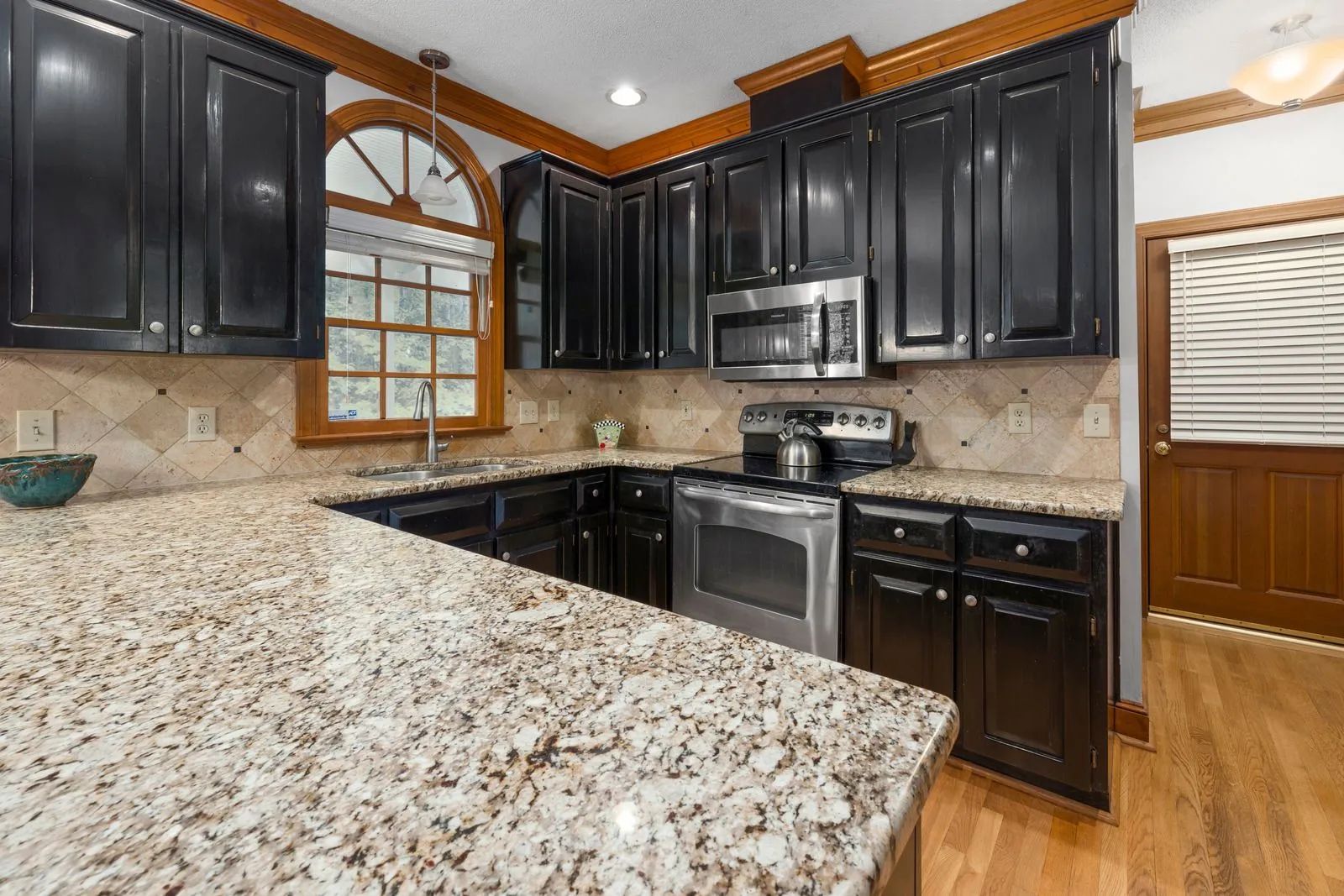
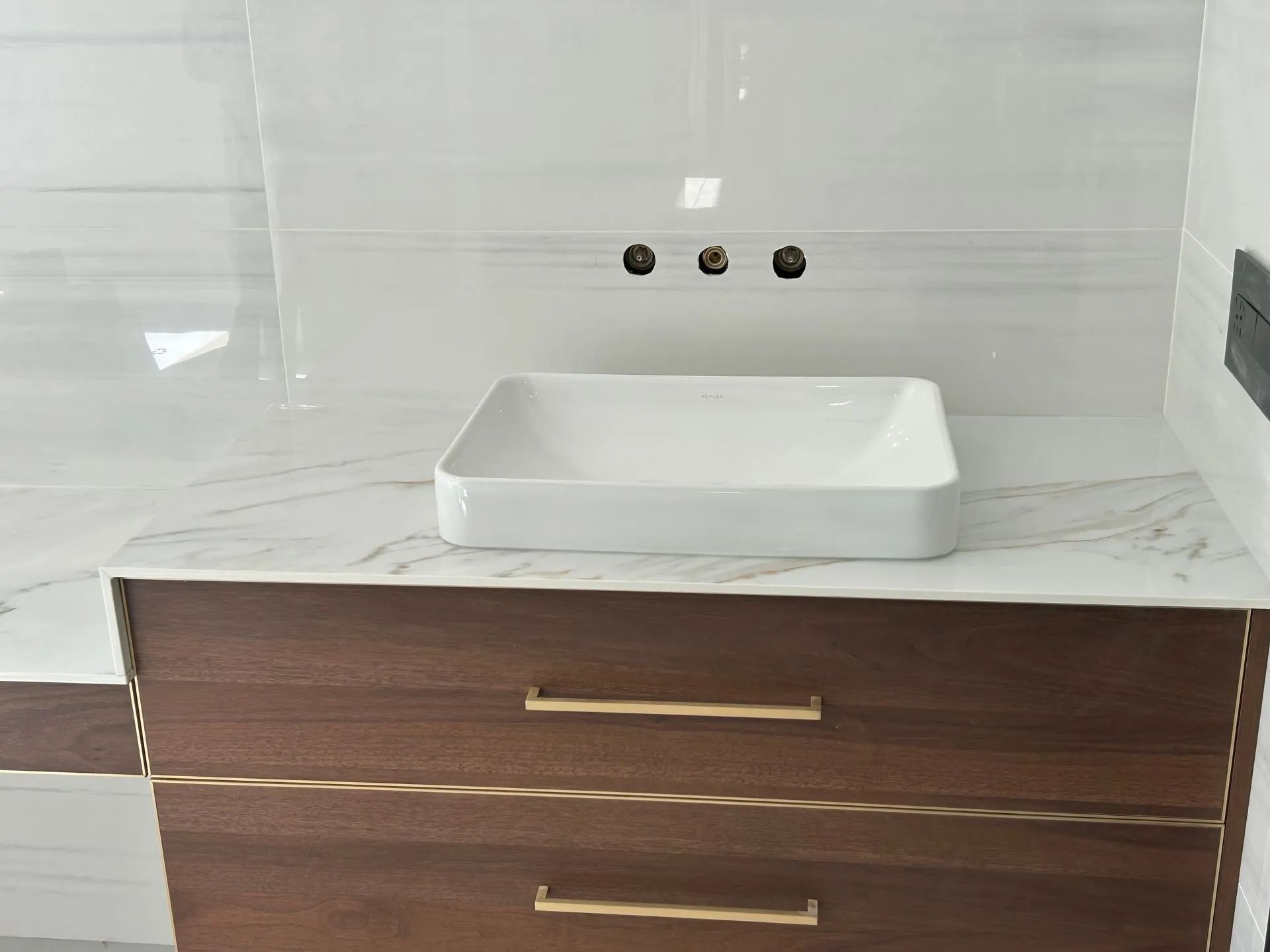
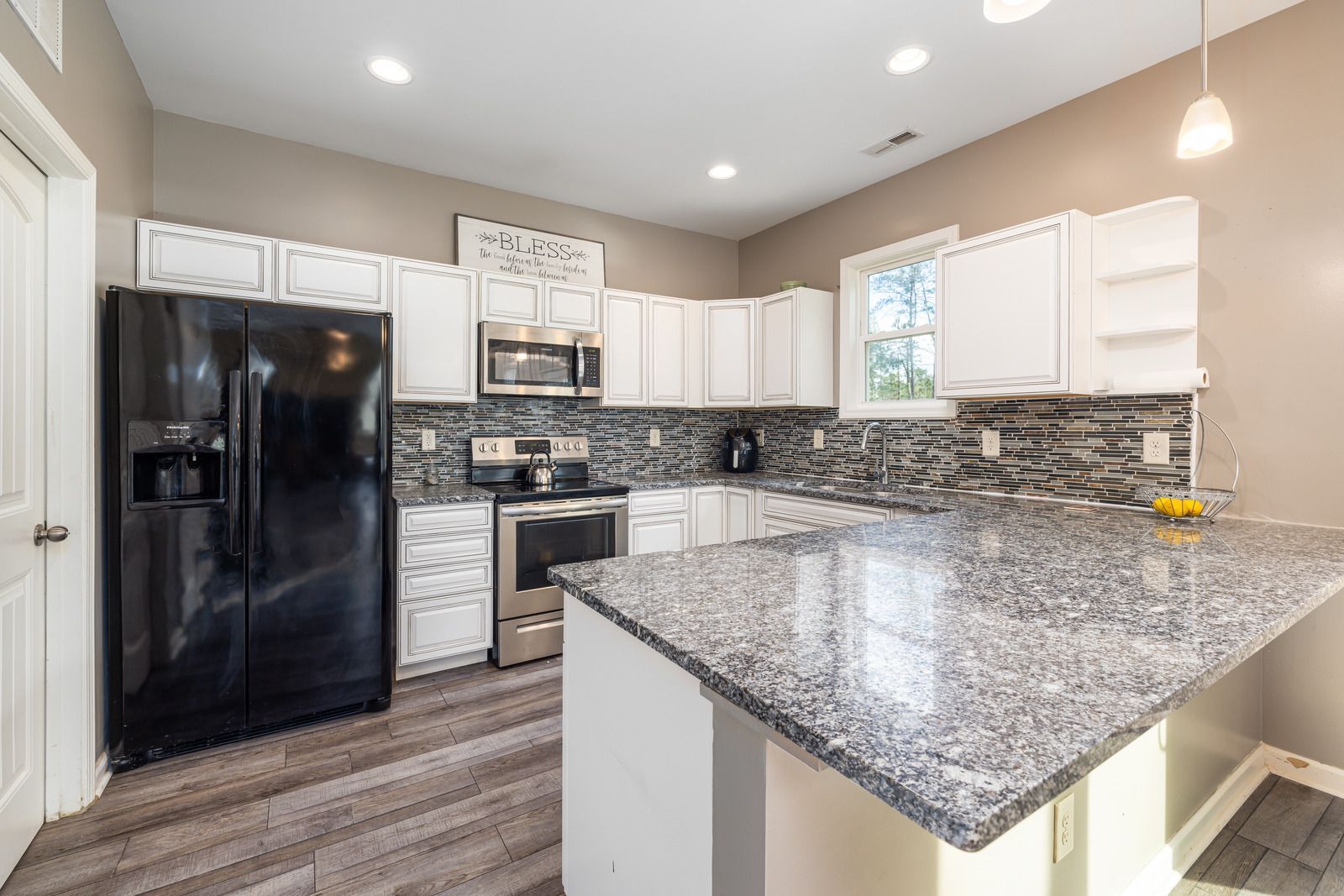
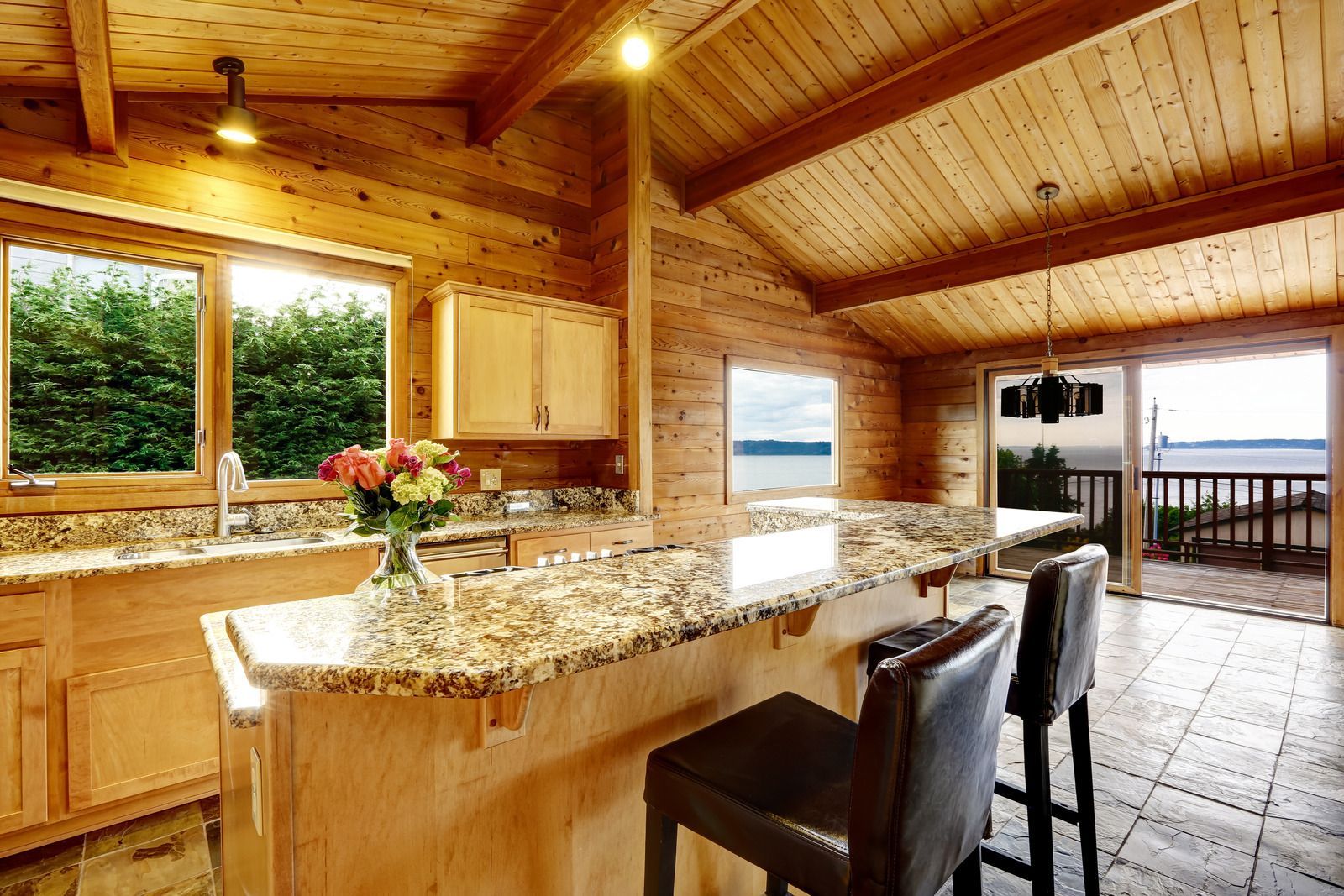
Because of these usage differences, kitchen countertops often require tougher materials such as granite, quartz, or solid surfaces that can endure heavy wear. Bathroom vanity countertops can incorporate materials that prioritize aesthetics and moisture resistance over extreme durability, including marble or engineered stone with softer finishes and refined visual appeal.
Choosing the right material based on functional needs ensures long-term performance and minimizes maintenance challenges. It also helps homeowners avoid premature wear, costly repairs, and unnecessary replacements in both kitchen and bathroom spaces over time.
2. Durability Requirements and Wear Resistance
High-Impact Demands in Kitchens
Kitchen countertops are exposed to a wide range of stress factors, including sharp utensils, heavy appliances, and high temperatures. Materials used in kitchens must resist scratches, chips, stains, and heat damage. Quartz and granite are popular choices because they offer exceptional strength and resilience under these demanding conditions in everyday cooking environments.
Additionally, kitchens often experience accidental impacts from dropped cookware or utensils. This requires countertops with higher thickness and structural integrity to prevent cracking or chipping. Reinforced edges and proper installation techniques further enhance durability and long-term performance in active kitchens.
Moderate Wear in Bathrooms
Bathroom vanity countertops experience significantly less physical stress. The primary concerns in bathrooms are water exposure, cosmetic stains, and occasional impact from small objects. As a result, materials do not need to be as robust as those used in kitchens, allowing for more decorative options.
However, durability still matters. Frequent exposure to water and cleaning products can degrade certain materials over time if they are not properly sealed or maintained. Selecting surfaces with good moisture resistance ensures longevity without overengineering the space or increasing unnecessary installation costs.
3. Moisture Resistance and Environmental Factors
Constant Moisture Exposure in Bathrooms
Bathrooms are high-humidity environments where countertops are frequently exposed to water, steam, and condensation. This makes moisture resistance a critical factor when choosing a vanity countertop. Materials must be non-porous or properly sealed to prevent water absorption, which can lead to staining, warping, or bacterial growth over time.
Engineered quartz is often preferred in bathrooms due to its non-porous nature and low maintenance requirements. Natural stones like marble can also be used but require regular sealing to maintain performance and prevent long-term moisture-related damage issues.
Varied Conditions in Kitchens
While kitchens also experience spills and moisture, the exposure is typically less consistent than in bathrooms. However, kitchens introduce additional environmental factors such as heat and grease, which can affect material performance and overall countertop durability over extended periods.
Countertops in kitchens must balance moisture resistance with heat resistance and stain protection. This combination of requirements limits material options to those that can handle multiple stressors simultaneously while maintaining both appearance and structural integrity over time.
4. Design Considerations and Aesthetic Flexibility
Style Priorities in Bathrooms
Bathroom vanity countertops often prioritize visual appeal and design flexibility. Since the space is smaller and less exposed to heavy wear, homeowners can explore a wider range of materials, colors, and finishes. Elegant materials like marble or decorative quartz patterns are commonly used to enhance the overall aesthetic of the bathroom space effectively.
Edge profiles in bathrooms can also be more intricate, as they are less likely to experience damage from daily use. This allows for greater creativity in design without compromising functionality or long-term usability in residential settings.
Practical Design in Kitchens
In kitchens, aesthetics must be balanced with practicality. While visual appeal is still important, the design must support heavy usage and easy maintenance. Simpler edge profiles are often preferred to reduce the risk of chipping and to make cleaning easier and more efficient daily.
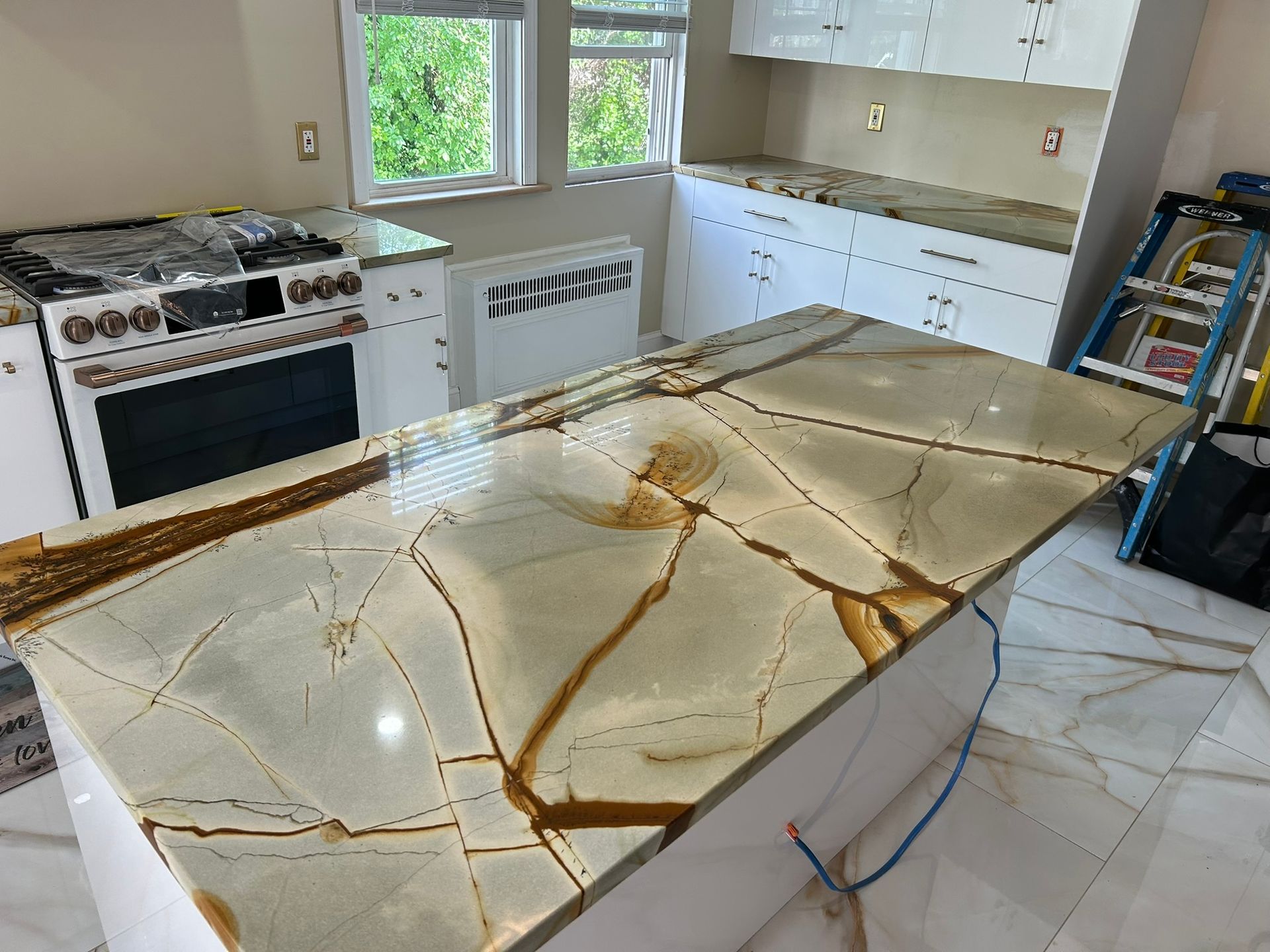
Color and pattern choices in kitchens also tend to focus on functionality. For example, surfaces with subtle patterns can help hide stains or minor scratches, making them more practical for everyday use in busy households with frequent cooking activities.
5. Installation Requirements and Structural Differences
Thickness and Support Needs
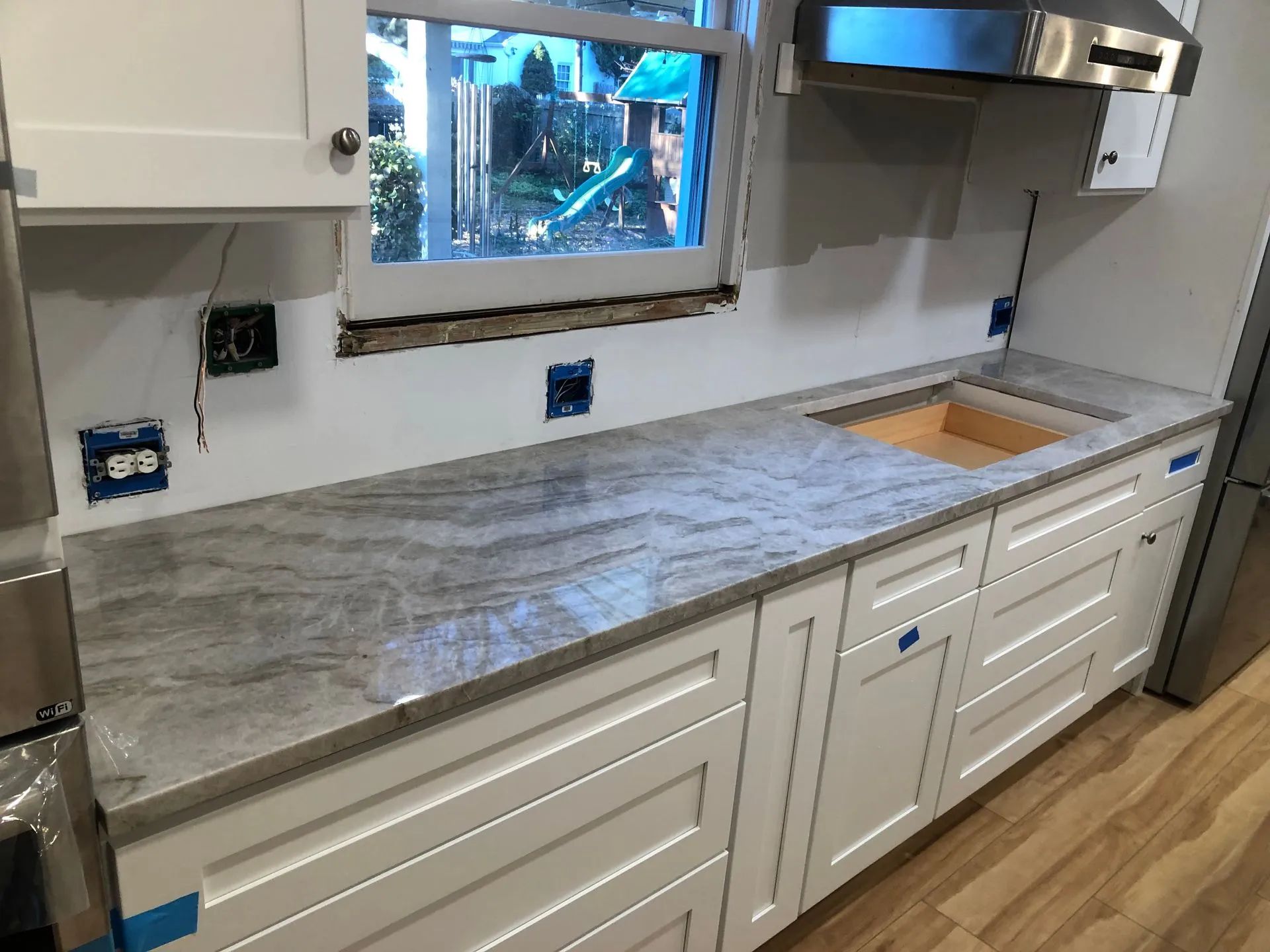
Kitchen countertops typically require greater thickness and stronger support systems due to their size and load-bearing requirements. They often span larger areas and may include overhangs for seating or extended workspace. This necessitates reinforced cabinetry and precise installation techniques for long-term stability and safe usage.
Bathroom vanity countertops are usually smaller and lighter, requiring less structural support. This simplifies installation and allows for more flexibility in design and material selection, especially in compact or customized bathroom layouts.
Sink Integration and Cutouts
Another key difference lies in sink integration. Kitchens often feature larger sinks with complex cutouts, including undermount or farmhouse styles. These require precise fabrication and strong support to ensure durability and proper alignment during long-term use.
Bathrooms typically use smaller sinks, often integrated into the countertop design. This reduces installation complexity and allows for more streamlined aesthetics while maintaining functionality and efficient space utilization in modern bathroom designs.
6. Maintenance, Longevity, and Cost Considerations
Maintenance Expectations
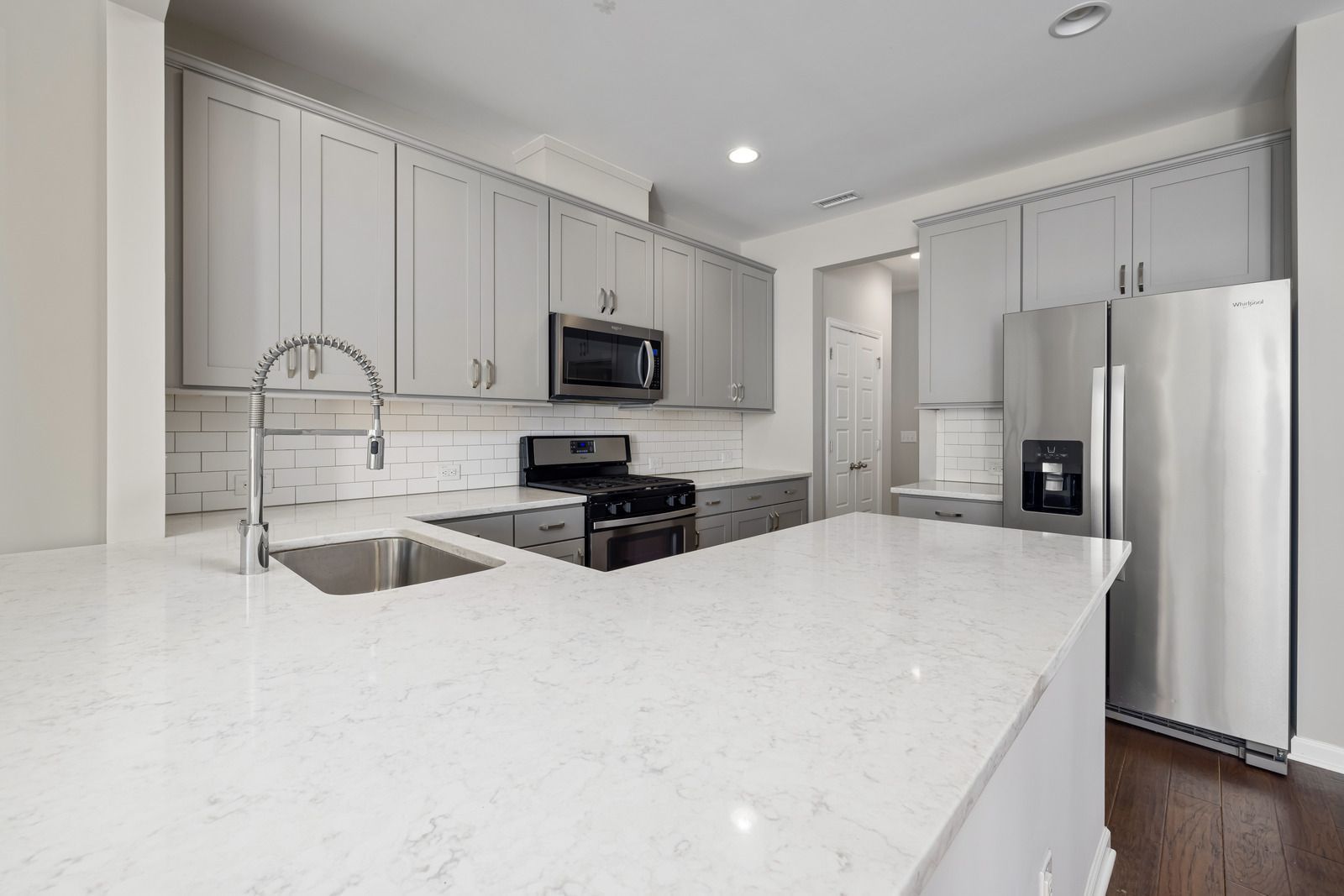
Kitchen countertops demand regular cleaning and maintenance due to constant exposure to food, grease, and spills. Materials must be easy to clean and resistant to staining. Non-porous surfaces like quartz are popular because they require minimal upkeep and maintain their appearance over extended periods.
Bathroom countertops, while easier to maintain overall, still require attention to prevent water spots and buildup from soaps or cosmetics. Regular cleaning and occasional sealing (for natural stone) help maintain their appearance and functionality over time.
Cost Differences and Value
Kitchen countertops generally represent a larger investment due to their size, material requirements, and installation complexity. The need for durability and high performance also contributes to higher costs, especially for premium materials and custom fabrication work.
Bathroom vanity countertops are typically more budget-friendly due to their smaller size and lower performance demands. However, homeowners often invest in premium materials for bathrooms to enhance visual appeal without significantly increasing overall renovation costs.
Balancing cost with performance is essential in both spaces. Investing in the right materials for each application ensures better long-term value and reduces the likelihood of repairs or replacements, ultimately saving money and effort over time.
Trusted Countertop Experts Delivering Long Lasting Solutions
At Ideal Stone Inc., located in Philadelphia, Pennsylvania, we bring 15 years of hands-on experience in crafting and installing high-quality countertops tailored to both kitchens and bathrooms. We understand that these spaces require different approaches, materials, and design considerations, which is why we focus on delivering customized solutions that align with real-world functionality and long-term performance. Our expertise allows us to guide homeowners, designers, and contractors through every step of the process, from material selection to precision installation.
We prioritize quality, durability, and attention to detail in every project. Whether the goal is a high-performance kitchen countertop or a visually striking bathroom vanity, we ensure that each surface is built to meet its specific demands. Our commitment to excellence, combined with deep industry knowledge, enables us to deliver results that stand the test of time. By choosing us, clients gain a reliable partner dedicated to enhancing both the beauty and functionality of every space through expertly crafted stone solutions.