How to Maintain Your Stone Countertops: Cleaning and Care Tips for Longevity
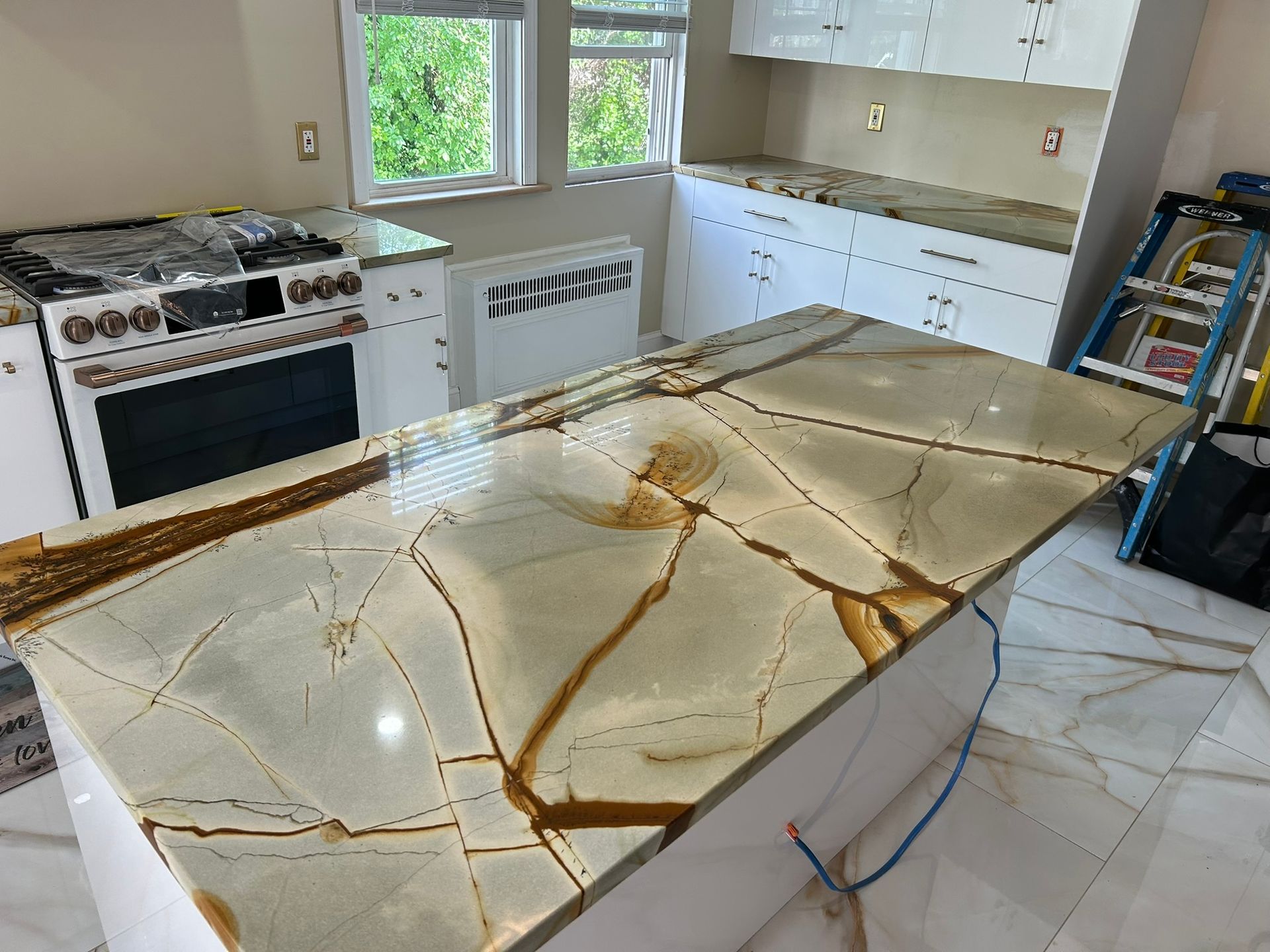
Stone countertops have become a hallmark of modern kitchen and bathroom design, admired for their elegance, durability, and timeless appeal. From granite and marble to quartz and soapstone, these surfaces not only elevate the aesthetic of any space but also offer functionality that can withstand daily wear and tear. However, while stone countertops are naturally resilient, their longevity and appearance depend heavily on proper care and maintenance. Without the right cleaning techniques and preventive measures, even the sturdiest surfaces can suffer from staining, etching, or dulling over time. Many homeowners underestimate the impact of seemingly minor spills or scratches, which can accumulate and diminish the beauty of the stone. Understanding the nuances of each type of stone is therefore essential to implementing an effective maintenance routine and preserving its original charm.
Caring for stone countertops involves more than routine wiping or occasional polishing. It requires a blend of regular cleaning, protective practices, and timely professional attention to address potential issues before they escalate. Whether you are dealing with spills, scratches, or general wear, adopting a strategic approach can preserve the natural beauty and structural integrity of your countertops. Additionally, investing in preventive measures such as proper sealing and mindful usage can significantly reduce long-term repair costs. This comprehensive guide explores essential cleaning and care tips, offering actionable insights and expert recommendations to help you maintain your stone surfaces effectively and enjoy their elegance for decades.
1. Understanding Different Types of Stone Countertops
Stone countertops are not one-size-fits-all. Each material has unique properties, which influence how it should be cleaned and maintained.
Granite: Durable but Porous
Granite is one of the most popular choices for kitchens due to its hardness and resistance to scratches. However, it is naturally porous, meaning liquids like wine or oil can seep in if the surface is not properly sealed. Regular sealing is essential to prevent staining and maintain its shine.
Marble: Elegant but Sensitive
Marble is prized for its luxurious veining and soft, smooth finish. However, its high calcium content makes it susceptible to etching from acidic substances like lemon juice, vinegar, or tomato sauce. Careful cleaning with pH-neutral products and prompt spill management is critical.
Quartz: Engineered Durability
Quartz countertops are engineered from natural stone particles combined with resins. This composition makes quartz non-porous and highly resistant to staining. While it requires less sealing than granite or marble, it can still be damaged by harsh chemicals, heat, or excessive force.
Soapstone: Naturally Resistant
Soapstone is dense, non-porous, and naturally resistant to bacteria and staining. Over time, it develops a rich patina that enhances its character. Minor scratches are easily remedied with sanding or mineral oil, making it low-maintenance compared to other stones.
Pro Tip: Identifying the type of stone in your home is the first step in establishing a tailored care routine, as improper cleaning can cause permanent damage.
2. Daily Cleaning Practices for Stone Countertops
Daily maintenance is key to keeping your stone countertops looking pristine. Simple, consistent practices can prevent most common issues.
Use the Right Cleaning Products
Avoid harsh chemicals such as bleach, ammonia, or vinegar-based cleaners, which can erode sealants and damage the stone’s surface. Instead, use mild dish soap diluted in warm water or specially formulated stone cleaners.
Wipe Spills Immediately
Even highly resistant stones like quartz or granite can suffer staining if spills linger. Keep a microfiber cloth or soft sponge handy to quickly absorb liquids such as coffee, wine, or oil.
Avoid Abrasive Tools
Scrubbing pads or steel wool can scratch the surface of stone countertops, particularly marble and quartz. Stick to soft cloths or non-abrasive sponges to prevent micro-scratches that accumulate over time.
Routine Dusting
For dust and light debris, a quick wipe with a dry microfiber cloth can prevent scratches and dulling. This is particularly important in high-traffic kitchen areas where crumbs and grit are common.
Example:
A family kitchen that follows a daily routine of wiping spills immediately and using mild cleaners can significantly reduce the risk of permanent staining, preserving both appearance and resale value.
3. Preventive Measures to Extend Countertop
Beyond daily cleaning, proactive measures play a vital role in protecting stone countertops from damage.
Longevity
Beyond daily cleaning, proactive measures play a vital role in protecting stone countertops from damage.
Seal Your Stone Properly
Sous stones like granite and marble. A high-quality stone sealant creates a barrier that ealing is essential for porprevents liquids and oils from penetrating the surface. Experts recommend resealing every 6–12 months depending on usage and the type of stone.
Use Cutting Boards and Trivets
Direct cutting or placing hot pots on stone surfaces can lead to scratches, chips, or thermal shock. Always use cutting boards for chopping and trivets or hot pads for cookware.
Mind the Weight
Although stone countertops are strong, excessive weight concentrated in one area can cause cracking, especially along seams. Avoid standing or sitting on the countertops, particularly near edges.
Control Humidity and Moisture
Prolonged exposure to excessive moisture can compromise stone integrity, especially in bathrooms. Ensure proper ventilation and wipe down water splashes on surfaces around sinks.
Benefit: Following these preventive steps reduces the need for frequent repairs and maintains the stone’s natural luster, ultimately saving both time and money.
Enhancing Functionality and Hygiene
Even with careful maintenance, issues may arise. Knowing how to handle them properly can prevent further damage.
Non-Porous Sealing
While granite is naturally resistant to bacteria and mold, sealing the surface enhances its hygienic properties. Non-porous sealing prevents liquids from penetrating the stone, reducing the risk of contamination from food and spills. Regular maintenance of the sealant prolongs the countertop’s life and ensures a safe, clean surface for food preparation.
Heat and Chemical Resistance
Granite’s composition makes it resistant not only to heat but also to common household chemicals. This allows homeowners to use everyday cleaning solutions without fear of damaging the surface, provided they avoid harsh acids or abrasive cleaners. The result is a countertop that remains both beautiful and functional under intensive use.
Real-World Applications
Commercial kitchens, high-traffic restaurants, and luxury hotels frequently choose granite countertops for their combination of beauty and durability. These environments demand surfaces that withstand constant use, cleaning, and exposure to heat. Granite’s proven performance in these scenarios underscores its reliability and makes it a trusted choice for homeowners seeking long-term value.
4. Addressing Common Issues: Stains, Scratches, and Etching
Even with careful maintenance, issues may arise. Knowing how to handle them properly can prevent further damage.
Stains
Different stains require different treatments. For oil-based stains, use a gentle degreasing cleaner. Organic stains such as coffee or tea can often be lifted with a paste of baking soda and water, left to sit for several hours before wiping.
Scratches
Minor scratches on granite or quartz can often be buffed out using a polishing compound or a professional stone polish. For deeper scratches, consulting a stone care specialist is recommended.
Etching
Etching occurs primarily on marble due to acidic exposure, resulting in dull spots or surface corrosion. Use a pH-neutral cleaner and consider professional polishing or honing to restore the stone’s finish.
Cracks and Chips
Cracks or chips should be addressed promptly to prevent spreading. Epoxy or resin repair kits can offer temporary fixes, but professional repair ensures structural integrity and seamless appearance.
Real-World Scenario: In a busy family kitchen, a dropped cast iron skillet caused a small chip on a granite countertop. Quick cleaning followed by a professional repair restored both the countertop’s functionality and aesthetics without noticeable damage.
5. Periodic Deep Cleaning and Maintenance
Routine daily cleaning addresses minor issues, but periodic deep cleaning is essential for long-term care.
Deep Cleaning Techniques
Use a stone-safe deep cleaner to remove accumulated grease, soap scum, or hard water deposits. Apply the cleaner with a soft cloth or sponge, then rinse thoroughly with water to avoid residue buildup.
Re-Sealing and Polishing
Even well-sealed stone benefits from periodic polishing. Polishing enhances shine and adds a protective layer, especially for high-traffic areas like kitchens and bathrooms. Check for signs of dullness or water absorption to determine when resealing is needed.
Professional Maintenance
Hiring a professional stone care specialist every few years can restore the countertop’s original finish. Professionals can perform honing, polishing, and resealing with precision-grade tools and products, ensuring maximum longevity.
Best Practice: Schedule deep cleaning and professional inspection at least once a year, or more frequently for heavily used countertops, to maintain surface health and appearance.
6. Additional Tips for Stone Countertop Longevity
Incorporating lifestyle habits and mindful usage enhances the lifespan of stone surfaces.
Avoid Direct Contact with Harsh Substances
Acids, bleach, and strong alkaline cleaners can damage the stone’s finish. Use coasters for citrus-based drinks and cleaning agents labeled safe for stone surfaces.
Maintain Consistent Temperature
Sudden temperature changes can cause thermal shock, leading to cracks. Avoid placing extremely hot or cold items directly on the countertop without protection.
Educate Household Members
Informing family members or staff about proper stone care helps reduce accidental damage. Simple instructions on wiping spills and using cutting boards can have a significant impact over time.
Regular Inspection
Periodically examine your countertops for early signs of wear, staining, or damage. Early detection allows for minor interventions before problems escalate.
Expert Reasoning: Stone countertops are durable but not indestructible. Combining routine care, preventive practices, and professional maintenance ensures the surfaces maintain their beauty and functionality, maximizing the return on investment for homeowners.
Reliable Stone Countertop Preservation from Trusted Experts
Proper maintenance of stone countertops is essential for preserving their aesthetic appeal, functionality, and long-term value. Understanding the unique characteristics of each stone type, following daily cleaning practices, implementing preventive measures, and addressing common issues promptly all contribute to extending the lifespan of these surfaces. By adopting a proactive approach, homeowners can prevent staining, etching, scratches, and other forms of damage, ensuring their countertops remain a focal point of beauty and practicality in their homes.
At Ideal Stone Inc.
in Philadelphia, Pennsylvania, we bring over 15
years of experience in stone countertop care and maintenance. Our team of experts specializes in cleaning, sealing, repairing, and restoring all types of natural and engineered stone surfaces. With a commitment to quality, precision, and customer satisfaction, we provide homeowners with trusted solutions to protect and enhance their investment. Partnering with Ideal Stone Inc.
ensures professional guidance and exceptional service for countertops that retain their elegance and functionality for years to come.