Copy of Granite Countertops: Timeless Elegance with Unmatched Durability
Designing a functional and visually appealing kitchen requires attention to details that often go unnoticed, and countertop overhang is one of them. While cabinetry, materials, and finishes usually take center stage, the dimensions of a countertop’s overhang play a critical role in usability, comfort, and overall design balance. Whether planning a compact kitchen remodel or designing a spacious open-concept layout, understanding the right overhang measurements helps avoid costly mistakes and ensures a seamless user experience.
Countertop overhang directly impacts how people interact with a space. It influences seating comfort at islands and breakfast bars, protects cabinetry from spills, and contributes to the aesthetic flow of the kitchen. Too little overhang can make seating awkward, while too much may compromise structural support or create clearance issues. By aligning design choices with standard dimensions and practical considerations, homeowners and professionals can achieve both efficiency and style. This guide explores the correct countertop overhang measurements for kitchens, islands, and breakfast bars, offering actionable insights to help create spaces that are both functional and inviting.
Understanding Countertop Overhang Basics
What Is Countertop Overhang?
Countertop overhang refers to the portion of the countertop that extends beyond the edge of the cabinets or base structure. This extension serves both functional and aesthetic purposes, offering protection to cabinetry while also creating space for seating and movement.
In standard kitchen setups, the overhang is subtle and often unnoticed. However, in areas like islands or breakfast bars, it becomes a defining feature that influences how the space is used daily.
Why Overhang Dimensions Matter
The importance of correct overhang dimensions goes beyond appearance. A properly measured overhang ensures:
- Comfortable seating without obstruction
- Adequate legroom for users
- Protection against spills and drips
- Structural stability and safety
For example, in a busy household kitchen, insufficient overhang can result in frequent spills reaching cabinet faces, increasing maintenance needs. On the other hand, excessive overhang without proper support can lead to sagging or damage over time.
Standard Overhang for Kitchen Countertops
Typical Measurements for Base Cabinets
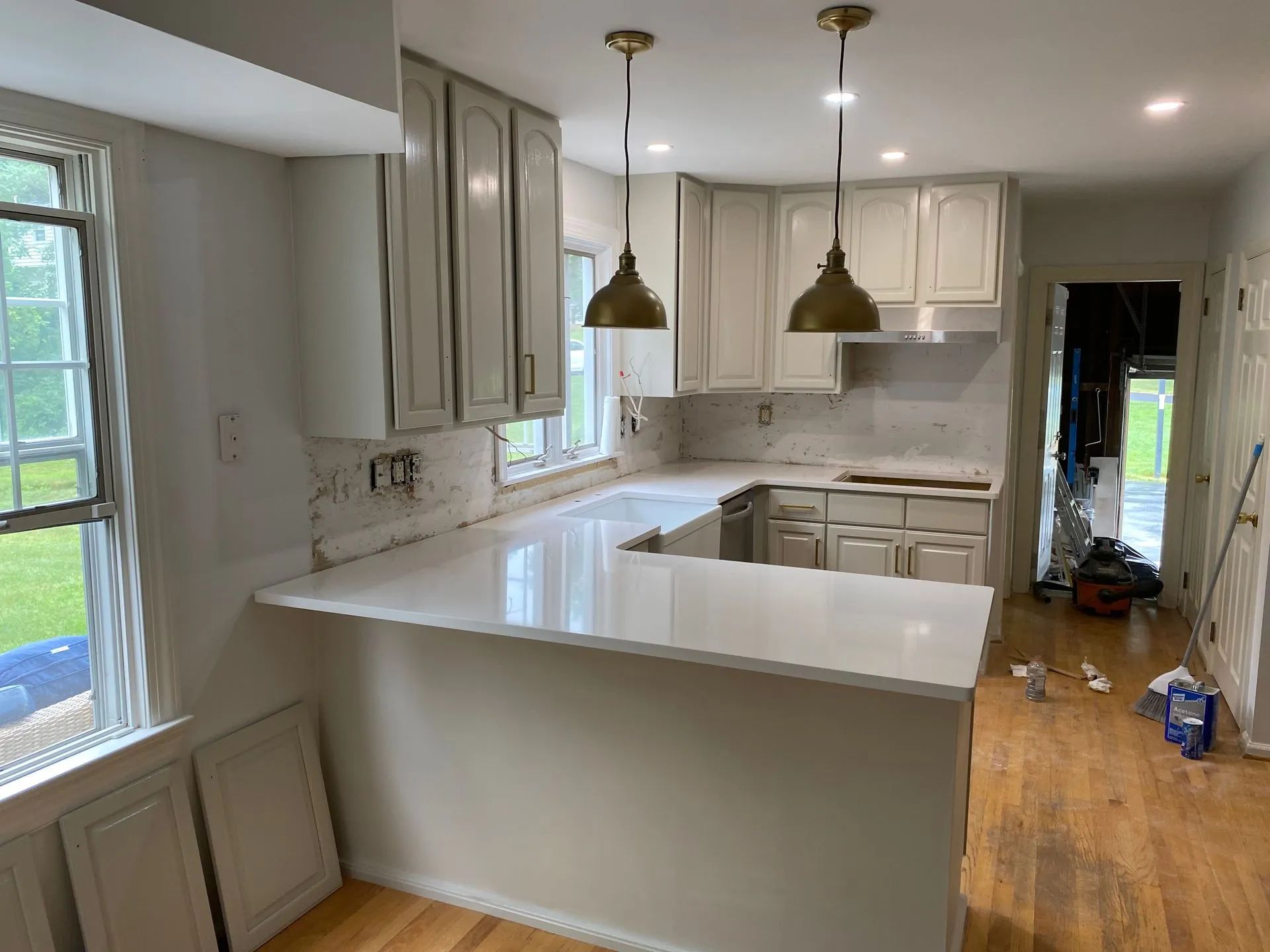
For standard kitchen countertops, the typical overhang ranges between 1 inch to 1.5 inches beyond the cabinet face. This dimension is considered ideal for most residential kitchens.
This slight extension serves a practical purpose by preventing water, crumbs, and spills from directly hitting cabinet surfaces. It also creates a subtle shadow line that enhances the visual appeal of the countertop.
Edge Profiles and Their Impact
The type of edge profile can influence the perceived and functional overhang. For instance:
- Straight edges maintain a clean and modern look with minimal projection.
- Rounded or bullnose edges may slightly extend the effective overhang.
- Decorative edges can add visual depth, making the overhang appear larger.
When selecting an edge profile, it is essential to consider how it interacts with the overhang measurement to maintain consistency across the design.
Real-World Scenario
In smaller kitchens, even a minor adjustment in overhang can make a noticeable difference. A 1.5-inch overhang instead of 1 inch can improve usability without compromising space. However, increasing beyond standard measurements in tight areas may lead to clearance issues, especially in narrow walkways.
Countertop Overhang for Kitchen Islands
Standard Island Overhang Dimensions
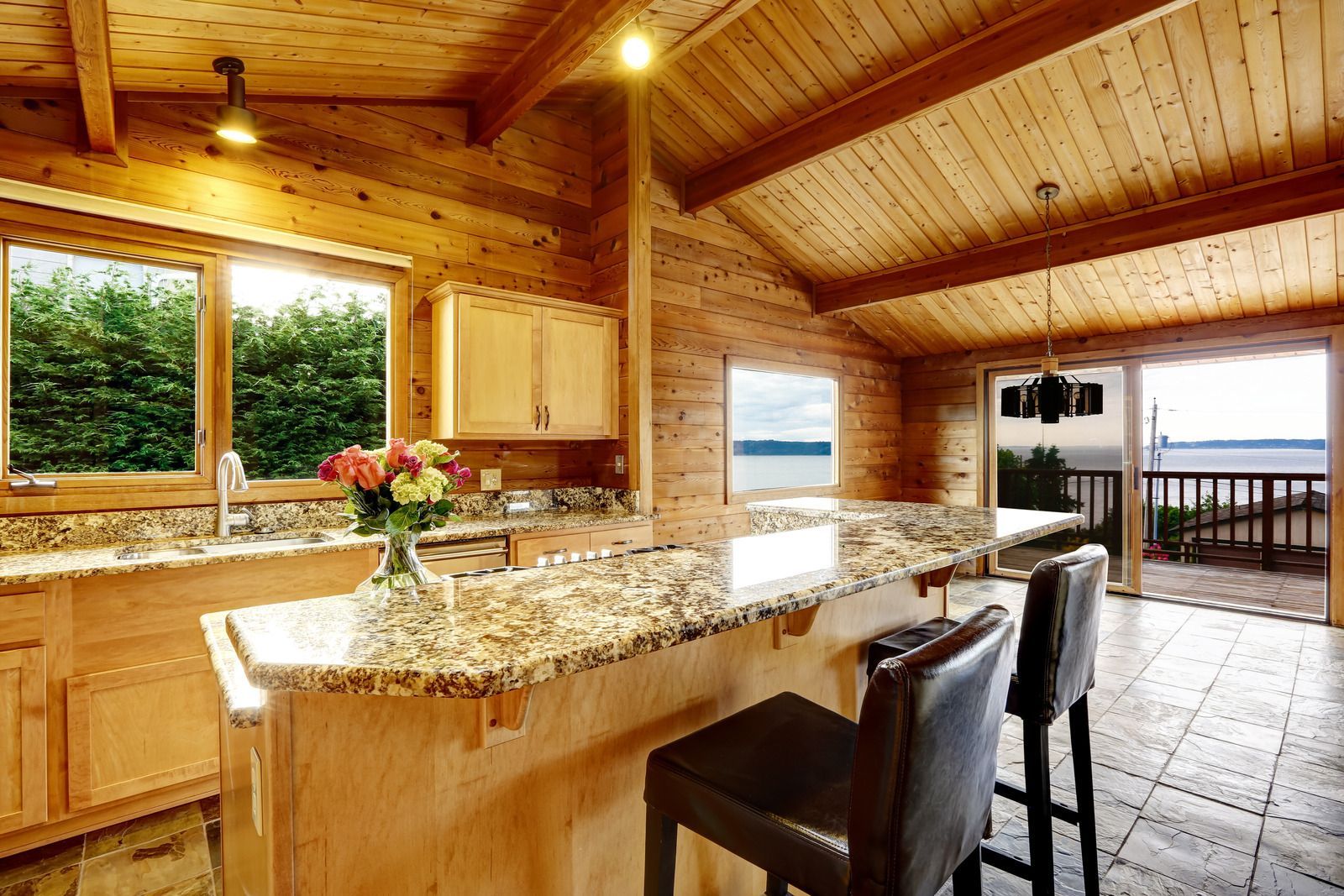
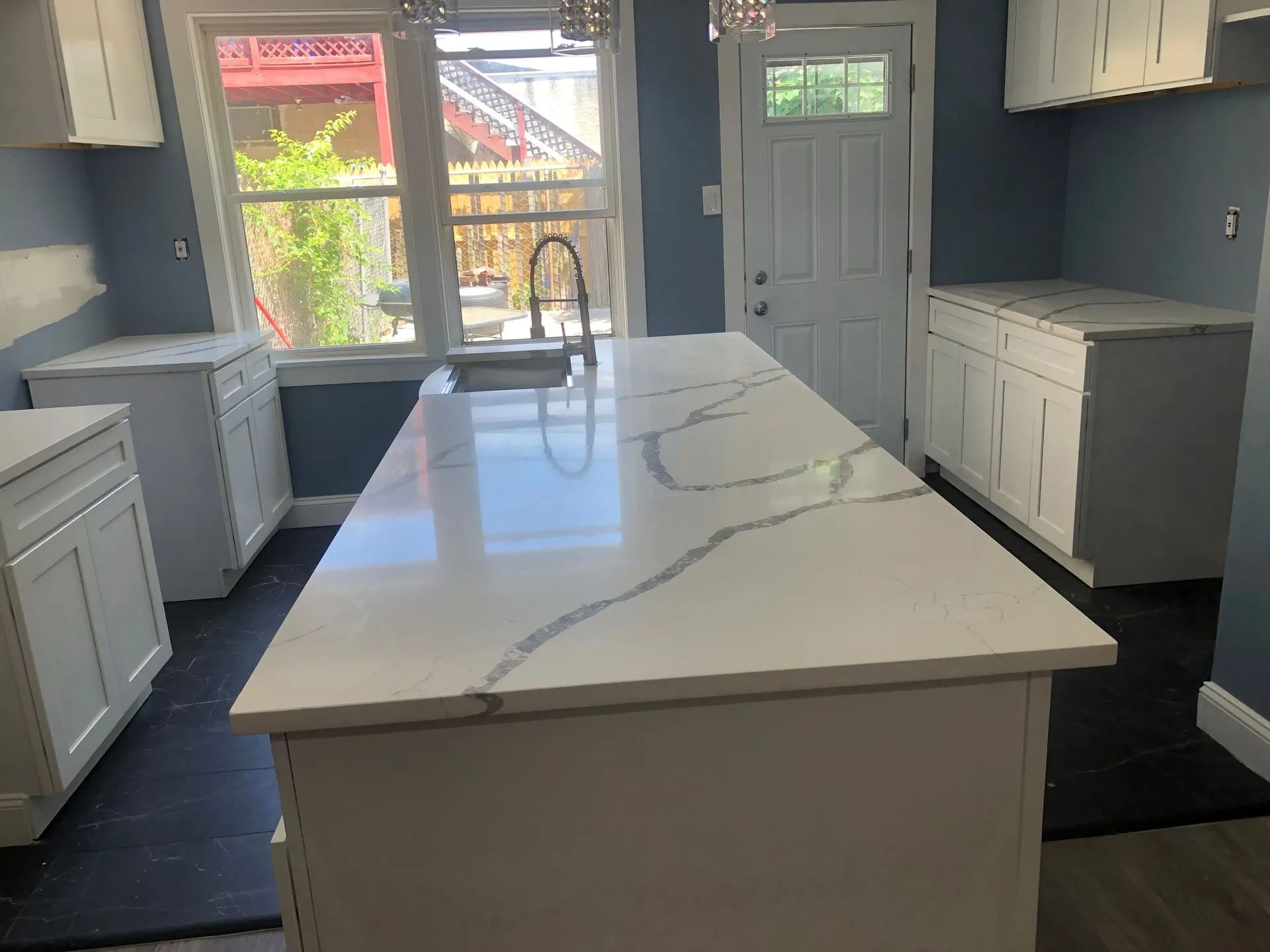
Kitchen islands often serve as multifunctional spaces, combining food preparation, dining, and social interaction. The standard overhang for islands depends on whether seating is included:
- Without seating: 1 to 1.5 inches (similar to base countertops)
- With seating: 12 inches is the most common standard
A 12-inch overhang provides sufficient knee space for comfortable seating, making it ideal for casual dining or social gatherings.
Extended Overhang Options
In some designs, the overhang may extend to 15 or even 18 inches. While this creates a more spacious seating area, it requires additional structural support such as brackets or corbels.
Failing to include proper support can result in long-term issues, including cracking or instability. Therefore, extended overhangs should always be planned with engineering considerations in mind.
Seating Comfort and Spacing
Comfort is not determined by overhang alone. Proper spacing between seats is equally important. Each person typically requires:
- 24 inches of width for comfortable seating
- Adequate leg clearance beneath the countertop
Combining correct overhang with appropriate spacing ensures that the island functions as a practical and inviting gathering space.
Practical Example
In an open-concept kitchen, an island with a 12-inch overhang can double as a dining area. Increasing the overhang to 15 inches may enhance comfort but requires careful planning to maintain structural integrity and avoid crowding adjacent spaces.
Breakfast Bar Overhang Guidelines
Ideal Overhang for Breakfast Bars
Breakfast bars are designed primarily for seating, making overhang a critical factor. The standard overhang for breakfast bars typically ranges from 12 to 18 inches.
- 12 inches: Suitable for quick meals and limited seating
- 15 inches: Offers improved comfort for extended use
- 18 inches: Provides maximum comfort, similar to a dining table
The choice depends on available space and intended usage.
Height Considerations
Overhang requirements vary based on the height of the breakfast bar:
- Counter height (36 inches): 12-inch overhang is usually sufficient
- Bar height (42 inches): May require 12–15 inches for proper legroom
Higher surfaces often benefit from slightly increased overhang to maintain comfort and usability.
Balancing Space and Function
While larger overhangs enhance comfort, they also require more floor space. In compact kitchens, maximizing overhang may not be practical. Instead, a balanced approach ensures functionality without compromising movement.
Common Challenges
One of the most common issues with breakfast bars is insufficient support for extended overhangs. Without brackets or reinforcements, the countertop may not withstand daily use.
Another challenge is improper alignment with seating. If the overhang is too shallow, users may feel cramped, reducing the usability of the space.
Structural Support and Safety Considerations
When Support Becomes Necessary
As a general rule, any overhang exceeding 10–12 inches requires additional support. This can be achieved through:
- Metal brackets
- Corbels
- Hidden support systems
The type of support depends on the design style and material used.
Material Influence on Overhang
Different countertop materials have varying strength and load-bearing capacities:
- Granite and quartz can support moderate overhangs but still require reinforcement for extended projections.
- Marble is more delicate and may need additional support even for smaller overhangs.
- Wood offers flexibility but may require thicker slabs for stability.
Selecting the right material ensures that the overhang remains both functional and durable over time.
Safety and Longevity
Ignoring structural requirements can lead to serious issues, including:
- Cracks in the countertop
- Instability or sagging
- Potential safety hazards
Proper installation and support not only extend the lifespan of the countertop but also ensure user safety.
Best Practices for Choosing the Right Overhang
Assessing Space and Layout
The first step in determining the right overhang is evaluating the kitchen layout. Consider:
- Available floor space
- Traffic flow
- Proximity to appliances and walkways
A well-planned layout ensures that the overhang enhances usability without causing obstructions.
Aligning with User Needs
Different households have different requirements. For example:
- Families with children may prioritize durability and safety.
- Those who entertain frequently may prefer larger overhangs for seating.
- Compact kitchens may require minimal overhang to maximize space.
Understanding how the kitchen will be used helps in selecting the most suitable dimensions.
Integrating Design and Functionality
Overhang should complement the overall design of the kitchen. This includes:
- Matching the countertop style with cabinetry
- Ensuring consistency across different surfaces
- Maintaining visual balance
A cohesive design enhances both functionality and aesthetic appeal.
Expert Recommendations
Professionals often recommend sticking to standard dimensions unless there is a clear reason to deviate. Custom overhangs should always be supported by proper planning and structural considerations.
Final Practical Insight
Before finalizing the design, it is beneficial to simulate the space. Sitting at a mock-up or measuring existing setups can provide a realistic understanding of comfort and usability. This step helps avoid design regrets and ensures satisfaction with the final outcome.
Experienced Professionals Ensuring Perfect Countertop Overhang Designs
Choosing the right countertop overhang is a crucial aspect of kitchen design that directly impacts comfort, functionality, and durability. From standard kitchen countertops to multifunctional islands and breakfast bars, each application requires careful consideration of dimensions, materials, and structural support. Proper overhang not only enhances usability but also protects cabinetry and contributes to a polished, cohesive look. Balancing aesthetics with practicality ensures that the kitchen remains both inviting and efficient. By following standard guidelines and adapting them to specific needs, it becomes possible to create a space that supports daily activities while maintaining long-term reliability. Thoughtful planning and attention to detail ultimately define the success of any countertop installation.
With over 15
years of experience, Ideal Stone Inc., based in Philadelphia, Pennsylvania, stands as a trusted authority in
countertop design and installation. We specialize in helping homeowners and professionals achieve the perfect balance between functionality and visual appeal. Our expertise covers a wide range of materials and design requirements, ensuring that every project meets the highest standards of quality and precision. We understand that every kitchen is unique, which is why our approach focuses on tailored solutions that align with specific needs and preferences. From selecting the right overhang dimensions to ensuring proper structural support, our process is built on accuracy, craftsmanship, and attention to detail. Our commitment to excellence ensures long-lasting results that enhance both the usability and value of a space. By choosing us, clients gain access to reliable guidance, proven expertise, and a dedication to delivering results that stand the test of time.